


Why Choose Us
Reliable Quality Assurance
Rigorous quality control procedures ensure that every product leaving their facility meets the highest standards of reliability and performance.
Customization
Provide customized solutions to meet specific client requirements, allowing for tailored bearings for unique applications.
Advanced Manufacturing Processes
With state-of-the-art equipment and techniques, Weichuang ensures high-quality production and consistent results.
Technical Support
The company offers comprehensive technical support to assist customers in selecting the right bearing for their application and resolving any issues that may arise.

Main parts for cold heading process: Quill (cut off die), cutter (cut off blade), punch, taper dies. No matter your material is case harden steel or through harden steel, our full set dies can run in a good lifetime. High precision dies produced according to your drawing. And we can also provide tools design service according to your roller headers.

Main Die Push Out Pin, 1st Push Out Pin
Weichuang produce full set precision cold heading tool and rolling dies according to your drawing. Design service is also available.
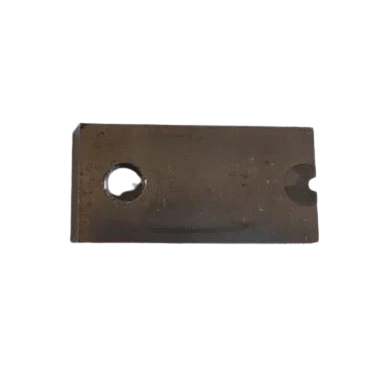
Weichuang supplies full set high precision cold heading design guide ,cold forming dies,cold heading tooling with cost- effective price .Customer Design acceptable.

Taper Roller End Face Grinding Tools
Welcome to our product introduction on Taper Roller End Face Grinding Tools, manufactured and supplied by our company based in China. In this write-up, we will delve deep into the features and benefits of our high-quality grinding tools, which are designed to serve the needs of end face grinding in taper roller bearings.

Welcome to our company, the leading manufacturer in China that specializes in producing quality products. Our company is dedicated to providing high-quality products that satisfy our customers' needs. We are proud to introduce our product, the Feed Roll, which is a game-changer in the industry of feed processing.

Weichuang service taper roller industry since 1988.We provide full tools to our customers: cold heading tools, centerless grinder tool and super finishing tools. No matter which brand of your centerless grinder or honing machines. We all can provide suitable tools for them.

As an agricultural manufacturer based in China, I am proud to introduce a new product that will revolutionize the farming industry. The Feed Roll is a product that will make feeding livestock more efficient and economical. With this innovative product, farmers can save time and resources by eliminating the need for expensive machinery and manual labor.

As a manufacturer, you know the importance of using the right tools and equipment to get the job done effectively and efficiently. In today's fast-paced manufacturing environment, precision and quality are key, and this is where Cold Forming Tools come in.

Cold forming is a modern manufacturing technique that involves the deformation of metal at room temperature into complex shapes using pressure. As a manufacturer located in China, we specialize in producing high-quality cold forming products that can be used in various industries across the globe. Our products are made using the latest technology and rigorous quality control measures.
What is Tungsten Carbide Die?
Tungsten carbide dies are tools made from tungsten carbide, a very hard and durable material, used in a variety of machining and forming processes. Tungsten carbide is an alloy composed primarily of tungsten and carbon, and it is known for its exceptional hardness, which is second only to diamond. This makes it ideal for use in dies where high levels of abrasion resistance and strength are required.
Cemented carbide is a kind of tungsten carbide powder + cobalt points + other carbide powder, through powder metallurgy pressing sintered composite materials. Tungsten carbide is a kind of high hardness material, through high temperature sintering "glue" metal cobalt (nickel) melting tungsten carbide particles together, forming the tungsten carbide we use. The role of cobalt (nickel) in cemented carbide is similar to that of a "skeleton". Cobalt content changes the hardness of tungsten carbide will also change, the more cobalt content, the lower the hardness, and vice versa, the lower the cobalt content, the higher the hardness. The finer the particle size of tungsten carbide powder, the higher the hardness, and the coarser the particle size of tungsten carbide powder, the better the impact resistance.
Used as mold tungsten carbide is an excellent material. High hardness, good abrasion resistance, corrosion resistance, impact resistance and other characteristics make Cemented Carbide as mold material is almost a perfect material solution.

- Fine-grained cemented carbide grades, such as Yatech's YU20 tungsten carbide particle size of less than ≤1um, cobalt ≤8%, HRA92-94
Suitable for the manufacture of metal wire drawing, pipe drawing molds, but also suitable for the manufacture of powder metallurgy molds.
- Double crystal grains of cemented carbide grades, such as Yatech's YF40H tungsten carbide particle size less than 0.4-3.0um, cobalt ≤ 15%, HRA88-90
Suitable for the manufacture of motor cores, silicon steel sheets, metal lead frames and other high-speed stamping progressive mold punches, concave molds, inserts and so on.
- Coarse-grained carbide grades, such as Yatech's YF55H tungsten carbide particle size less than 0.4-3.0um, cobalt ≤15%, HRA88-90.
Carbide die material selection needs to be considered comprehensively, the hardness of the stamped material, thickness, stamping speed, mold precision, stamping equipment precision and other issues.
What are the machining methods for Tungsten Carbide Die?
Electrical discharge machining
Electrical Discharge Machining, wire erosion or spark erosion, is a non-traditional machining process that relies on electrical discharges (or sparks) to remove material particles from workpieces made of conductive materials. The process is particularly well suited for producing complex or fine holes and features in metal parts, as EDM machining is capable of achieving tolerances within +/- 0.005 mm and therefore provides high precision.
Unlike other machining technologies, EDM is characterized as a non-contact process. This means that the tool is never in physical contact with the workpiece. Instead, a series of successive electrical charges are sent from a power source through the tool (called an electrode), which creates an electric arc between the electrode and the workpiece. The sparks generated by this electrical reaction are highly targeted and erode particles on the workpiece in a controlled manner. Being submerged in a dielectric fluid, these particles can be safely flushed away from the electrode and workpiece surfaces.
Diamond tool cutting and grinding (machining centers)
- Electroplated Diamond Cutting Blades
Precision parts processing plant can not be separated from cemented carbide, we often see the cemented carbide processing technology is cutting. Cutting is one of the commonly used ways of undercutting cemented carbide rods, plates and wires. For grooving or cutting below 1mm, diamond ultra-thin cutting blades are commonly used for processing.
Diamond resin matrix type cutting discs, in which the outer ring band is the resin bond abrasive working layer, the center part of the high-strength and high rigidity of the metal material, generally used for medium and large depth of cut grooving and cutting.
In the process of turning carbide parts, the hardness of the tool itself must be higher than the hardness of the workpiece to be processed, so at present, the tool material for turning and processing carbide parts is mainly made of high hardness and high heat-resistant non-metallic binder and diamond.
When cutting carbide parts with hardness less than HRA90, we generally choose BNK30 CBN tools for large margin turning. When cutting carbide parts with hardness greater than HRA90, we generally choose PCD tools made of CDW025 or use resin bond diamond wheels for grinding.
- Electroplated diamond grinding head
When processing complex curved shapes, holes and threads, you can use electroplated diamond grinding head of high-speed CNC machining centers for grinding, which has the characteristics of high efficiency and high dimensional accuracy. - Other diamond tools
For the milling process of cemented carbide parts, according to the customer's demand, we can provide CVD diamond coated milling cutter and diamond inserted milling cutter for precision parts machining, which can replace the electrolytic corrosion and EDM process to improve the production efficiency, and product quality.
Laser processing
Laser perforation machine is currently the most outstanding of all perforation equipment, laser perforation through the laser generator focused high-density energy on the surface of the workpiece, so that the workpiece is irradiated on the region of local instantaneous melting and gasification, this process lasts a very short period of time, milliseconds within the completion of the process, you can quickly form holes or holes in the groove. Especially applied in
Carbide laser drilling do not have to worry about burrs, it is non-polluting, high-precision processing, processing of the perforated surface is very smooth, without the need for subsequent reworking and polishing, reducing the tedious process. Processing in non-touch processing, the laser head will not be in contact with the material surface, do not have to worry about scratching the workpiece, there is no mold loss, only need a simple package can be very convenient.
Cemented carbide stamping die refers to the use of cemented carbide to manufacture the upper or lower die, or upper die, lower die are made of cemented carbide stamping die. The upper die and lower die can be made of the whole piece of cemented carbide, or a piece of cemented carbide can be glued or set on the steel part as the working part for stamping, and a layer of cemented carbide can also be sprayed on the edge of the steel stamping die. Because of the high hardness and abrasion resistance of cemented carbide, the life of cemented carbide stamping die is several times to dozens of times higher than that of general steel stamping die. Because of the brittle nature of cemented carbide and the impact load in the stamping process, the cemented carbide commonly used in stamping dies are YF40H, YF50H, YF55H and so on.
The upper and lower molds are made of cemented carbide. The structural form of the stamping die is similar to that of general stamping dies, but it also has its characteristics. Now, according to the characteristics of cemented carbide itself, it explains the problems that should be paid attention to when designing the stamping die of cemented carbide.
Cemented carbide due to more brittle, can not have too much deformation force, all in the design of the material, need to pay attention to the location of the first cutter, can not only punch half a hole, so as to avoid the die bending fracture.
material belt than the normal stamping design to be larger, and should be greater than the material thickness, so as to avoid the material belt is too small in the stamping was squeezed into the die.
die clearance in the normal clearance on the basis of the appropriate increase in margin.
choose a good rigidity of the die frame, stamping molds on the selection of various parts and components to match the high life of the lower die. Such as the upper and lower die holder are made of steel, and to be about 1.5 times thicker than the general stamping die. Positioning nails, guide plate and other accessories made of 45 steel and quenched. The back of the upper and lower molds should be thickened and quenched.
The guiding accuracy and service life of the die holder should be high in order to be compatible with the high service life of the lower die. Often use rolling guide mold frame and interchangeable guide pillar, large or complex workpiece commonly used 4 guide pillars. Generally, floating die shanks are commonly used to overcome the influence of press error on guiding accuracy.
The upper and lower mold can be made of the whole piece of tungsten carbide, can also be used in the form of mosaic. Can also be bonded or welded on the steel parts.
If the unloading plate is used to unload the material, the unloading plate should be prevented from hitting the lower mold of cemented carbide, so that the lower mold is not uniformly loaded and cracks are produced. For this reason, the height of the unloading plate should be higher than the height of the guide plate – the height of the thickness of the material is 0.05-0.01mm lower, then the unloading plate only play a role in unloading the material does not play a role in the pressure of the material. Stamping thin material must be pressed stamping, can be in the unloading plate and the lower die or the upper die between the fixed plate to increase the guide column, guide the unloading plate uniformly pressed workpiece.
Cemented Tungsten Carbide Die use in the process of failure and how to deal with?
Cemented carbide dies may have the following kinds of failures in the course of use
Wear and tear: The surface material of the die will wear and tear with long time use, and the precision and service life of the die may be affected when the wear and tear is serious.
Fatigue: Metal fatigue may occur in long time use of the die, resulting in cracks, deformation and other problems.
Accumulation: In some specific die use environment, there may be metal materials or other foreign materials accumulated on the surface of the die, affecting the normal use of the die.
For these failures, we can take the following measures to deal with
Control the use of conditions: in the use of the process, to control the use of conditions of the die, try to reduce the wear and fatigue of the die, to avoid excessive wear and fatigue failure.
regular maintenance: regular maintenance of the die, including cleaning the surface of the die of accumulated material, repairing die wear and cracks, to extend the service life of the die.
Use high quality material: choose high quality carbide material when making the die, which can effectively reduce the wear and fatigue of the die and improve the durability of the die.
Reasonable design of die structure: when designing the die, reasonable structure design can be adopted to reduce stress concentration and wear of the die in the process of use and improve the service life of the die.
Repair and maintenance of carbide dies requires attention to the following points:
Cleaning
Clean the die regularly to remove impurities and dirt accumulated on the surface, which can be cleaned with solvents or detergents and then dried thoroughly.
Lubrication
Lubricate in the appropriate areas to reduce wear and friction and extend the life of the die. Use lubricant or grease for lubrication, but be careful not to use too much lubricant.
Inspection
Regularly inspect the surface and structure of the die for any damage or wear and tear, detect problems and repair them in time to avoid further deterioration.
Storage
After using the die, it should be properly stored in a dry and ventilated place to avoid moisture and rust.
Maintenance
According to the frequency of use and situation, regular maintenance of the die, including cleaning, lubrication and inspection, to ensure that the die is in good working condition.
How to deal with Tungsten Carbide Die scrapping?
When a carbide die reaches the end-of-life standard, the treatment usually includes the following steps:
Thorough inspection: First of all, the end-of-life carbide die needs to be thoroughly inspected to confirm whether there are any parts that can be repaired or re-processed for use.
Disassembly and separation: The die is disassembled and the components are separated, such as the body of the die, replaceable parts, and so on.
Recycling: For parts that can still be used, they can be processed and repaired, reused or recycled.
Disposal: For parts that cannot be repaired or reused, they need to be disposed of in a reasonable manner, which may include recycling them into waste materials or other environmentally friendly treatments to ensure minimal impact on the environment.
Documentation and analysis: The disposal of end-of-life dies is documented and analyzed for future improvements in design and production processes to reduce the likelihood of die obsolescence.
Applications of Tungsten Carbide Die
Metalworking Industry
Tungsten carbide dies find extensive use in the metalworking industry. They are employed in various processes such as wire drawing, tube drawing, cold heading, powder compaction, and more. Carbide dies are commonly used to shape and reduce the cross-sectional area of metal wires, rods, and tubes. They offer excellent wear resistance and can withstand the high pressures involved in these processes. In addition, carbide dies provide superior surface finish to the metal products, resulting in improved aesthetics and functional properties.
Plastic and Rubber Industry
Tungsten carbide dies are extensively used in plastic and rubber molding processes. These dies are employed in injection molding, extrusion, and compression molding applications. Carbide dies provide precise and consistent shaping of plastic and rubber materials, ensuring high-quality finished products. The wear resistance of carbide dies allows for extended tool life and reduces the need for frequent replacements, resulting in cost savings for manufacturers.
Pharmaceutical and Medical Industry
Tungsten carbide dies are also used in the pharmaceutical and medical industry. They are employed in tablet compression, pill extrusion, and various other processes involved in the production of pharmaceutical products. Carbide dies provide precise control over the dimensions and shapes of tablets and pills, ensuring uniformity and consistency.
Electrical and Electronics Industry
Carbide dies find applications in the electrical and electronics industry as well. They are used in processes such as wire termination, connector manufacturing, and electrical contact production. The high precision and durability of carbide dies allow for the production of electrical components with tight tolerances and reliable performance.
Advantages of Tungsten Carbide Die
The use of tungsten carbide dies offers several advantages over traditional die materials, making them highly desirable in various industries:
High Hardness: Tungsten carbide is one of the hardest materials known, surpassing even many types of tool steels. This exceptional hardness allows carbide dies to withstand extreme pressures, resulting in excellent wear resistance and extended tool life.
Wear Resistance: The wear resistance of tungsten carbide dies is significantly superior to that of traditional tooling materials. This characteristic ensures consistent performance, reduced downtime, and enhanced productivity.
Heat Resistance: Tungsten carbide has excellent thermal stability, making it highly resistant to deformation and degradation at elevated temperatures. This property enables carbide dies to withstand the high temperatures involved in many manufacturing processes without compromising their performance.
Corrosion Resistance: Carbide dies exhibit outstanding resistance to corrosion and chemical attack. This corrosion resistance helps maintain the dimensional accuracy and surface finish of the dies, contributing to the quality of the manufactured products.
Precision and Accuracy: Carbide dies can be engineered with high precision and accuracy, allowing for the production of components with tight tolerances. This precision ensures consistent quality and facilitates the interchangeability of parts.
Cost Savings: Although carbide dies may have a higher initial cost compared to other die materials, their exceptional durability and extended tool life result in long-term cost savings. The reduced need for frequent replacements and less downtime contribute to overall production efficiency and cost-effectiveness.
Certifications


Our Factory
WBM is a professional bearing supplier established in 1988, mainly providing bearing cold heading dies, tapered rollers, grinding tools and testing equipment, as well as consulting/trading services in the supply chain of the bearing industry. The company has a quality management system integrating design, production, sales, service and research, located in Lilu Industrial Park, Luolong District, Luoyang, China, the factory covers an area of 36,300 square meters. At present, Weichuang has 80 invention patents, providing customers with high-quality products and services.

fAQ
Hot Tags: tungsten carbide die, China tungsten carbide die manufacturers, suppliers, factory, Taper Roller Grinding Tools, chrome ball, Carbide Cold Heading Dies, Rolling Elements, Spherical Roller, Metal Ball